Work Shoes Guide
Safety Shoes S1, S2, S3:
What's the Difference and How to Choose
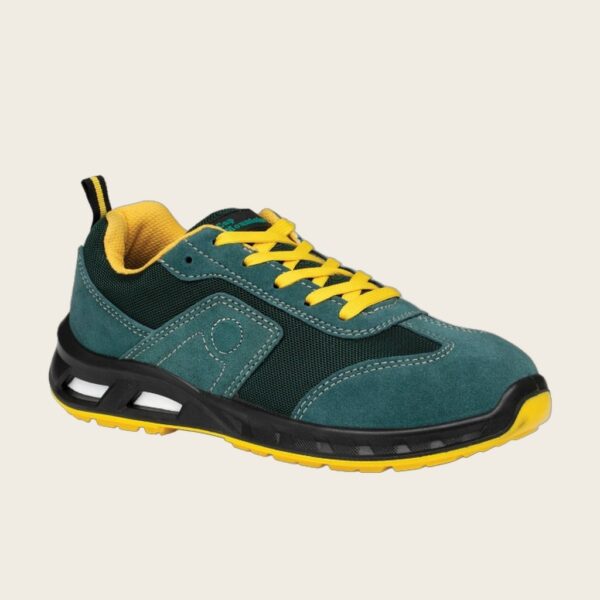
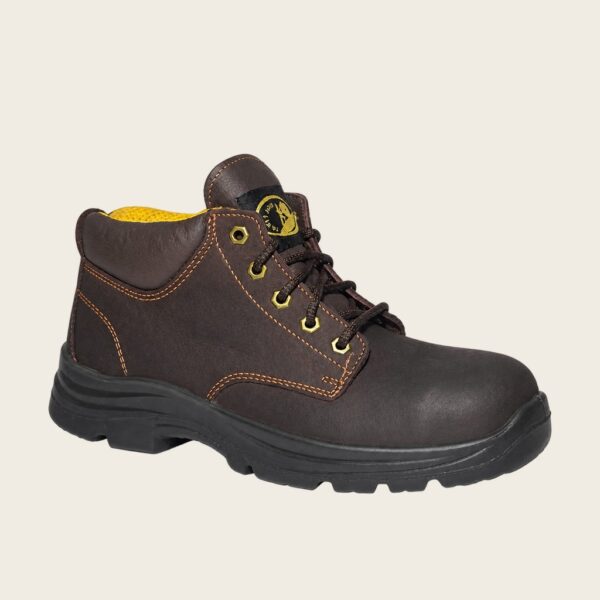
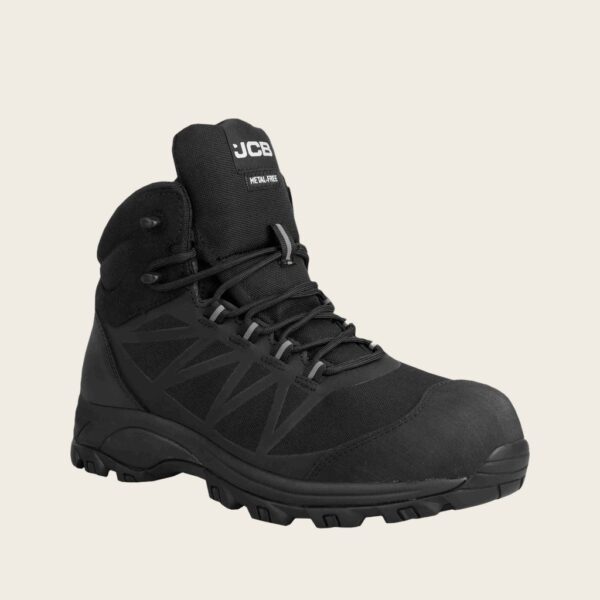
Every safety shoe carries a marking such as S1, S2 or S3. It is not a model name but a protection level, set by the European standard ISO 20345.
If you are ordering safety shoes for one worker or a whole team, it helps to understand the difference between S1, S2 and S3 before you choose. This guide explains the markings briefly, and how to choose by work environment.
What all the markings share
The base in every level is a protective toe cap, tested to withstand a 200 joule impact. Beyond that, each level adds protection.
S1
200 joule toe cap, closed heel area, antistatic sole, heel shock absorption and fuel resistance.
S2
Everything in S1, plus resistance to water penetration and water absorption through the shoe.
S3
Everything in S2, plus sole puncture resistance, and an outer sole with grip tread.
In other words, the levels are cumulative. S3 includes everything that S2 includes, and S2 includes everything that S1 includes.
Which level suits which job
The simple rule: choose by the actual risk at the work site, not by the highest level.
-
S1 is suitable for work indoors, on a dry, clean floor, such as a warehouse, light manufacturing or maintenance.
Our selection includes S1P shoes, such as S1P Safety Shoe Model 72484, a low, antistatic shoe with a protective pad made of composite materials.
-
S2 is suitable when there is moisture, for example when washing floors or working in a yard after rain.
You can see, for example, S2 Safety Shoe Model 775.
-
S3 is suitable for construction sites, field work and areas where there are nails, screws or metal scraps on the floor.
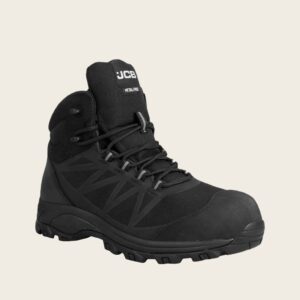
Examples: Women's S3 Safety Shoe Model 7884 andJCB HI TOP S3 Safety Boot, a high boot with ankle support, 200J toe cap and an anti-puncture plate.
What else to check before ordering
Protection type in the standard
Check the full marking in the product description, for example SRC (slip resistance) or ESD for antistatic environments.
Shoe or boot
For work in mud and water you can consider a boot. For example S5 PVC Safety Boot Model 6443.
Size and foot shape
Some models are designed specifically for the female foot, and there are models in different size ranges. The size range appears on every product page. You can also try shoes on at the factory store in Karmiel, and if the size does not fit, you can exchange it.
Metal or metal-free
In environments with metal detectors there are models without metal (Metal Free).
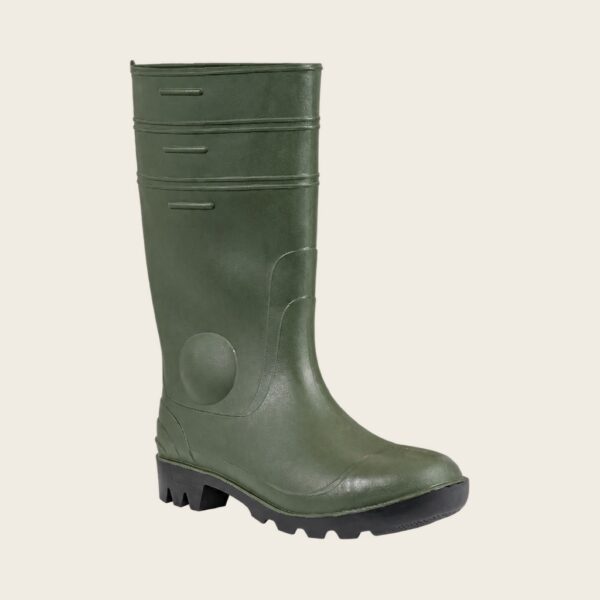 PVC S5 Boot 6443
Where to see and order
You can browse all models in the Work Shoes, and find shoes, boots and different levels there. The marking and standard of each model appear in the product description.
Store pickup
Our factory and store are at 28 HaNapach St., Industrial Zone, Karmiel, and you can choose pickup.
Delivery
Shipping costs ₪45, and it is free on orders over ₪1,000. Full details are on the Delivery and collection.
If you are not sure which level your job requires, it is worth checking with the safety officer at your workplace, or you can call us: 04-9981239.
Frequently asked questions
What is the difference between S1 and S2?
Both levels include a toe cap, a closed heel and an antistatic sole. S2 adds resistance to water penetration and absorption, so it suits wet environments better.
What does S3 add to S2?
S3 includes everything that S2 includes, plus a puncture-resistant sole and an outer sole with grip tread. It suits construction and field work.
Do all safety shoes have a toe cap?
In levels S1, S2 and S3 yes, a toe cap tested for a 200 joule impact. Check each model's protection details in the product description.
Where can I see the standard of each model?
The standard and marking appear in the description of every product in the Work Shoes category, such as ISO 20345/S2 SRC, and the size range.
Can I pick up the order from the factory?
Yes. You can choose pickup from the factory store at 28 HaNapach St., Industrial Zone, Karmiel.
Ordering shoes
for one worker or a team?
The marking and standard of each model appear in the product description.